레이블이 summer인 게시물을 표시합니다. 모든 게시물 표시

2013년 8월 12일 월요일

[TalkTalk Market] Boseong Market


Boseong Market


Opened in 1955, Boseong Market was chosen as a "Cultural Tourism Market" in 2009 since it was located near natural tourist attractions such as green tea fields and Mt. Jeamsan. Most of all, it is located in Boseong, the cultural hometown of world famous pansori (Korean traditional vocal and percussional music performance). Local agricultural products as well as seafood caught from Deukryang Gulf are traded in the market, such as shallot, potato, kiwi, strawberry, green tea, linen, kkomak (ark shell clam) and nokdon (green tea-fed pork).


Boseong Market has linked local specialty shops with places of interest such as green tea fields, Yulpo beach, Beolgyo (the setting of Korea's one of the greatest novels "Taebaeksanmaek"), Mt. Ilimsan (the habitat of royal azalea), Mt. Jeamsan Recreational Forest, and Daewonsa buddhist temple, etc. Furthermore, the market established concert stages and experiential learning activities to add more flavor.

2013년 7월 14일 일요일

[TalkTalk Market] Gangnam style? No! Dongdaemun style !


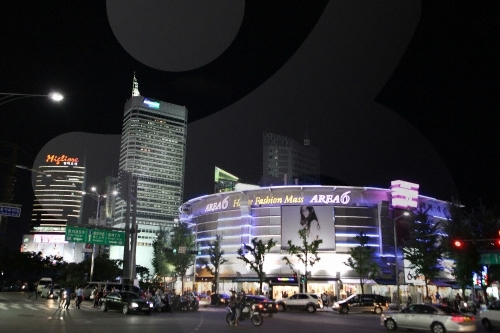
Dongdaemun has every fashion item imaginable: fabric, clothes, accessories, and wedding goods. The newest fashion trends, along with the newest fabrics, often make their debut in the market. It is home to the largest clothing suppliers in Korea, and aspiring designers also come to here to hone and test their skills. Cheap and diverse clothes attract not just fashion leaders but also the average consumer. It has become a place frequented by major Korean and international buyers as well.


Dongdaemun Market started as a traditional market in 1905 and experienced its first major transformation in 1970s as it began to develop as a center of the textile industry (both wholesale and retail), further contributing to the fast economic growth of Korea at that time. With the later construction of mega shopping buildings in the area, the market became reborn as the most famous fashion street in Korea.

Wholesalers across the country visit the market at night, forming an iconic night image in Seoul. The market is a mixture of both traditional and modern stores. Some stores maintain their old buildings, selling clothing materials, crafting clothes, or processing them. Modern shopping malls (such as
Cerestar, Migliore, Designer’s Club, and Doosan Tower) popped up in the late 1990s, attracting young people by holding frequent music and dance performances at night. Various fashion shows and festivities are also held year-round.


Even though stores may sell goods wholesale, individual consumers and tourists purchase them at retail prices. The market offers special fabrics not found anywhere else and sells material and accessories at very reasonable prices. Simple accessories can even be made on-site at some stores. Plenty of currency exchange services and information desks provide a pleasant shopping experience for international visitors.

[article from korea tiurism organizationa]

2013년 7월 4일 목요일

[Enjoy KOREA] Samda : Three abundance ( rocks, wind, women )


Did you know jeju called ‘samda’, that’s why jeju island has 3 many thing.

Samda : Three abundance ( rocks, wind, women )


"Three abundance" is a famous term in Jeju Special Self-Governing Province. It implies three things which are abundant in Jeju Special Self-Governing Province. They are Seokda (rocks), Pungda (wind), and Yeoda (women). That's why they call Jeju Special Self-Governing Province Samdado: the island of three abundance. Seokda is originated from the Mt. Halla volcanic activity of the past. People had to cultivate the land through a long process of clearing away the numerous rocks covering the lands and then form the inlets for irrigation, then construct the walls for protection against wind.

Seokda, tells of the harsh surroundings of Jeju. Jeju Special Self-Governing Province is located in the path of typhoons, so the islanders had to fight against the sea. The effect of Pungda and Seokda shows in Jeju life styles. Two examples are the thatched roof of Jeju which is tied up with straw rope, and the fields surrounded by stone walls.

Yeoda originated from the fact that most men of Jeju were lost at sea, which made women larger in number. Also, women had to come out to the fields with men due to the Jeju's living environment being harsh. Yeoda is a comment on population statistics, but moreover it is a metaphor for women in Jeju working diligently. The famous women-divers who fight against wild waves to catch fish are the very symbol of Jeju

2013년 6월 4일 화요일

[TalkTalk Market] Hwanghak-dong Flea Market


Hwanghak-dong Flea Market is one of the most extensive Flea Markets in the world. The market boasts 500 shops including a Korean Folk Market and ‘All-things Market’ which features a variety of goods from antiques, car stereo’s, electronics, air conditioners, games and props.
 
Many of the products sold at the market are between 20%-50% cheaper than anywhere else in the world. The market opens from 9a.m to 7.p.m. Some electronic stores are open until 10p.m. To get to Hwanghak-dong Flea Market please take
 (Seoul Subway Line No. 2, or Line No. 6) exit 2, walk 3 minutes toward Hwanghak-dong.


Another great shopping attraction in Seoul is
Insadong Junction. Insadong has been the center of culture during the Chosun Dynasty (1392-1910). This is where the Ministry of Art was once situated. Insadong has become a favorite shopping spot among foreigners. Over forty percent of the nation’s antique stores are in Insadong.
 
 
It sells more valuable antiques compared to shops located in other parts of Seoul. Insadong is highly regarded for its main art collection. In fact, Queen Elizabeth II came to Insadong to visit in 1999. Some of the famous shops in this area include Park Young Suk Yo where fine porcelan can be admired and purchased and Haedong Godoja which is known for selling the best quality ceramic ware.